Showing posts with label no-cooking. Show all posts

Thursday, July 9, 2015

Getting Cultured - DIY ferments


My culinary adventures have taken a new turn into unchartered territory: fermentation!

Beware, this is a lengthy post that I enjoyed writing, but if you want the quick gist of it:

·         I’ve started fermenting foods in my kitchen to improve my digestive health
·         it’s been fun to reconnect with some traditional foods from my childhood
·         milk kefir has been the greatest success while sauerkraut remains an elusive challenge
·         I will learn how to make more exciting cultured foods this Saturday


Growing up in Belarus, fermented dairy featured prominently in our diet. I still mentally swoon at the thought of the most delicious silken sour cream I would eat with a spoon. In the summer, we would eagerly bring empty jars and bottles to fill with kvass whenever the barrel-shaped trucks happened to pull into our neighborhood. 


Winter would be a time for making sauerkraut and summer for lightly fermented small garden cucumbers – crunchy, emerald-green cousins of the better-known dill pickles that were ready in just a day or two of hanging out in brine on the counter.

Mind you, I never participated in the making of any of this delectable goodness, and so only knew that it could be done. We bought all the dairy and kvass, anyway. So, it’s been exceedingly exciting to not only make forays into this whole collaboration with the world of microorganisms, but to finally have some sweet (erm, savory) success, too!

YOGURT

Once in my early 20s, I tried making yogurt. When I unwrapped the pot from its thick blanket in the morning expecting something thick inside, and only the same milk from the day before stared back at me blankly, I was very disappointed. I’m guessing the temperature dropped too low to support the bacteria. Since I didn’t even drink milk, I tossed the whole lot. Over the next few years, I helped out a few times in this multi-step process in communal kitchens in Canada and New Zealand. It all seemed quite formidable in its scientific exactness – sterilize jars and equipment, check the milk with a thermometer, incubate at a steady temperature for some eight hours… etc. It’s no wonder that when I visited my Mom one year, and she told me she was making yogurt which she started with a jar of homemade stuff from an Indian family, and after heating and cooling the milk, she simply left it sitting on the counter overnight… I just couldn’t believe that this was possible. If I remember correctly, my disbelief somehow jinxed the process, and my Mom informed me later that it had stopped working. Oops! (witness power of the mind, people!)

Finally, while visiting Rich’s sister in Singapore last year, she walked me through her regular yogurt-making ritual and I loved HOW SIMPLE IT WAS. She just washed her jars, didn’t use a thermometer and heated up the milk ‘till just below boiling (or until it boiled over, if distracted… hehe), stuck her finger in to feel if it was cool enough (it should be roughly at body temperature) and incubated it in a cooler filled with warm water. In the morning, voila: homemade yogurt!

Inspired by this, I tried again. And it worked! We don’t have a cooler, so I read about other ways to keep the yogurt warm and cozy, finally choosing to stand it on an electric heating pad turned on low, the entire contraption wrapped in blankets. I put a note with “yogurt baby” on the bundle so it wouldn’t get knocked over. Boy, was I one proud momma in the morning!

Still, there was enough process (heating, cooling and temperature control) that this didn’t become a regular occurrence. And then…

KEFIR

kefir entered my life. I also drank kefir as a kid in Belarus. Then, it kinda started showing up in health food stores in Canada, but at that point I wasn’t eating much dairy, period, so I more or less forgot it existed. Then, early last winter, a very nice American woman living here in Taiwan who’d bought kefir grains through Amazon wanted to share them since they were growing so much, they were taking over her fridge. Kefir grains, you say??? That was my reaction. The fascinating facts are these, provided by the lovely people at Yemoos:


“Kefir grains look a lot like little cauliflower florets … [and] are a symbiotic relationship of over 30 different strains of beneficial bacteria and yeast. The bulk of the grain that you see is a combination of insoluble protein, amino acids, lipids (fats) and soluble-polysaccharides (complex sugars).”


straining the grains out
The name of the game with kefir is simplicity. Put a tablespoon of the grains into a one-liter glass jar, fill 4/5 full with fresh milk, top with breathable fabric secured with a rubber band and leave at room temperature out of direct sunlight for about 8 hours. Strain to remove the grains. Avoid using metal. Repeat. THAT’S IT! No heating, no keeping warm, and kefir is said to have an abundance of probiotic strains superior to yogurt. If you’re thinking “WOW!” I assure you, that’s how I feel about kefir. My first few batches were so-so, but as I regularly fed the grains high-quality organic whole milk, magic happened. I now get super creamy delicious kefir after simply letting it sit out overnight without needing a second ferment as typically advised to get it to thicken up.
I add a sprinkle to a teaspoon of spices like cardamom, garam masala, etc
I also directly eat the extra grains once there is a surplus. I was a little scared of this at first as bloggers warned of a rubbery texture, but actually they’re just pleasantly chewy and deliver oodles of amazing probiotic goodness directly to my gut.

strained kefir = probiotic labneh
(fresh, thick spreadable cheese - here with olive oil and za'atar)
kefir in an avocado half


NON-DAIRY YOGURT/KEFIR

Although in the process of fermentation, the bacteria devour most of the lactose thus rendering kefir and yogurt largely lactose-free, I’m still not 100% sure my gut is ready for dairy as my digestion’s been compromised for a long time (hence, this foray into fermentation to restore the good bacteria the homesteader way). These are some non-dairy “milk” ferments I’ve experimented with:

1.      Probiotic supplement as a starter: add a packet per ~2 cups of coconut or other non-dairy milk, leave out covered with cloth, check taste after ~12 hours.

2.      Using milk kefir grains in non-milk: so far the results aren’t as nice as with cow’s milk, but it’s an option worth experimenting with further. The milk grains do need cow’s milk to replenish themselves every few batches.

3.      Soaking nuts and seeds: the harder they are, the longer the soak they need, for guidance see charts here and here.
Soaked nuts/seeds can be eaten as is (and are much easier to digest than their non-soaked counterparts), or allowed to ferment a little – whole, or ground into a paste (will become nut “cheese”), or ground into a liquid (add extra water for nut “milk” and get something yogurt-like). Again, timing and tasting is everything as the nuts and seeds will begin to spoil, and I’m very new to this, but there are raw foodies who’ve really taken this to the next level!

SAUERKRAUT

Aah, “sour cabbage” – loved by Slavics, Germans and health foodies. I still remember the way it stank up my childhood apartment’s pantry as the bacteria did their thing. I think from then on, my Dad left it out on the balcony. I’d made fresh coleslaw by shredding cabbage and carrots and “massaging” the whole lot with salt, then adding a bit of vinegar and it’s delicious. But if you’re after the probiotic hit, slow fermentation is necessary.


In my attempts at ‘kraut over the last few months, only one of about 4 batches was really good. I think a large problem is that it’s summertime and it’s way too hot. I’ve witnessed some gnarly growths like kham yeast (apparently harmless but freaky) and just tossed the last of the jar I had in the fridge that had gone cloudy and was definitely adding to, rather than alleviating, my digestive issues. *sigh*
I also read that to really get the good bacteria, you have to leave it for a month, which will only be possible in the winter here.

But, if at first you don’t succeed, try, try again. In fact, this Saturday my friend Mara and I are going to a fermentation workshop at the nut-cheese-making place I linked to above. Although it’s called Fermentation 101, we’re actually going to learn things that are definitely a step up from beginner-level for me: an imaginative version of kimchi (Korean fermented cabbage), idlas (Indian fermented pancakes) and rejuvelac (a drink from fermented sprouted grains). Stay tuned for another update to my world of cultured ferments!

Although there is a ton of information on fermenting online, the current definitive bible of this revival movement is the 500+ page book called “The Art of Fermentation” by Sandor Ellix Katz.

Sunday, March 29, 2015

Low-Carbing It

Although I’m lucky to never worry about carbs for the sake of dieting, I have gone off refined sugar a few times, which is always advisable if you have the willpower. Since Rich and I are doing a cleanse, it seemed like a low-carb diet might enhance its effectiveness. It’s been an interesting challenge in the kitchen and I’ve discovered new dishes, both veg and non, a few of which will even become classic favorites, I’m sure!

Breakfasts:
Miso Soup with extra veggies
can easily make for lunch or dinner, too!

Breakfast Casserole
very portable, so easily doubles as a work lunch or snack
            
Savory Pancakes with carrot juicing pulp
Another incarnation of these oat bran pancakes
Fried egg with greens and grilled tomatoes

Green Tea-Avocado Smoothie


Lunches:
Leftovers!! - the cooking's already done
Grilled mackerel, Baba Ganouj and stir-fried greens

Chickpea Pancake
Based on this and that recipe, served with DIY coconut yogurt
  • Veg and Tofu from a veggie buffet: the easy and cheap option here in Taipei

Dinners:
Grilled Salmon with Roasted Tomatoes and Stir-Fried Veg
our kick-off gourmet dinner

Slow-Cooked Tofu & Veg Curry
  loosely based on this recipe

Slow-Cooked Balsamic Chicken
Sooo easy and really good. Def a new fave. 
I didn’t even have to touch the meat, just dump it into a bowl to marinate overnight, then slide into the slow cooker! ;)
This Balsamic Chicken came from The Mediterranean Slow Cooker by Michele Scicolone, which is a great cookbook. The recipe goes like this:
  1. Oil insert of large slow cooker.
  2. In a medium bowl, whisk together 1/2 cup balsamic vinegar, 2 Tbsp Dijon mustard, 2 large finely chopped garlic cloves,1 Tbsp chopped fresh rosemary, 2 Tbsp chopped drained capers, 1/2 teaspoon salt and pepper to taste. Dip 4 lb of bone-in breasts, thighs and legs chicken pieces into mixture, turning to coat on all sides. Place chicken in cooker and pour on any remaining coating.
  3. Cover and cook on low for 4 to 6 hours, or until chicken is very tender and coming away from the bone. Serve hot.

Veg Stir-Fry with Edamame and Tofu 

Snacks:
  • Nuts (soaked for easier digestion)
  • Broth
  • Cheese Cubes
  • Raw or Stewed Fruit (no added sugar)
  • Smoked salmon, goat cheese and cucumber, wrapped in lettuce leaves
  • Savory Coconut Flour Zucchini Bread
  • Yogurt, dairy or non, with nuts or ground flax
  • Lassis
  • Fresh Green Juices

we’ve splurged on a cold press juicer and are even growing wheatgrass


Sunday, April 20, 2014

DIY Energy Bars - vol. 1

Vegan

This has been a revolution around here!

In short, if you have a food processor... go make yourself some energy bars. There's hardly any reason to buy them except convenience. You can customize them exactly as you like, keep only the good-for-you ingredients and save $$. And there are sooooo many recipes and types out there... Wild! So here begins my Energy Bar journey. It's a tough job, but someone's gotta do all that whizzing and taste-testing...

Imperative for successful bars:
Most of them don't need any baking and are held together by the sticky combination of something like a nut butter and a liquid sweetener, or ground up dried fruit, or a combination thereof. Follow these steps to make sure they stick together:

1) If your dried fruit is not moist, briefly soak it in a little hot water to plump it up

2) Once your mix is in the pan it'll be setting in, PRESS, PRESS, PRESS it down. It will be sandwiched between plastic wrap or parchment paper, so use your hands, a rolling pin, the bottom of a glass- whatever it takes! It must be compact.

Here is the first round-up of recipes I've tried that I will make again.

1. Almond Coconut Energy Bars
based on Minimalist Baker's Healthy 5-Ingredient Granola Bars

These are the closest to a successful commercial granola bar that I've tried so far. They have a pleasant crunch, are sweet but get balanced out by the nuts and oats and are easy enough to make, though do require a bit of time with the toasting, assembly and all that dish-washing after.


2. Soft Banana Oat Bars
based on Adventures of Our Family's Banana Oat Bars
This is probably the healthiest recipe of the bunch and in some of my friends' words "tastes like it" haha... However, the health nuts loved them. They are soft and with the extra banana I put in held in no problem - these do require baking. If you want something sweeter, add more dried fruit or some sort of sweetener - a glug of maple syrup or maybe sprinkle on some brown sugar?


3. Lemony Oat Bars

based on The Vegan 8's No-Bake Lemon Tea Oat Bars
In the world of endless snakc bar recipes, these are really unique! I loved the fresh lemon flavor! My German lemon tea was kind of strong and a bit strange, so I only used 5 tea bags instead of the 12. Next: try with my fave lemon tea of all time: Celestial Seasonings Lemon Zinger and make into flat bars in a shallow pan (rather than thick ones in a loaf pan, as per recipe).


4. Green Tea and Goji Berry
based on Vegan Crunk's Matcha Green Tea Almond Bars
Also very unique, delicious and easy-peasy! My ingredients were:
- dates, prunes and (very soft) goji berries, adding up to 1.5 cups
- 1/2 cup ground flax
- 1/3 cup mix of nuts and pumpkin seeds
- 1/4 cup matcha powder (I think this can be reduced by as much as half the amount - it's quite strong, even for me who adores green tea flavor and will make the bars less crumbly)

Another take: dried figs and prunes, toasted almonds, ground flax and chia, reduced green tea


5. Carrot Cake Bites
based on My Whole Food Life's Carrot Cake Larabar Bites
My mixture was kinda dry and giving my food processor trouble, so I added coconut water... a little too liberally. I ended up with pumpkin-pie-filling texture and even ground up oats could not save the day. So, I rolled these into sticky balls and they are delicious, if not exactly portable ;)


6. Crumbly Granola 
before-baking-photo: based on Real Healthy's Granola Bars 

Haha... so, these did not stick together whatsoever! I mean, in clumps, yes, so Rich and I devoured the resulting granola with a spoon because it was so damn yummy! I think the problem was the mixture was too liquidy - next time try omitting the coconut oil or reducing to a bare minimum, especially since I find it burns very easily. These also require baking.


7. Gingery Pumpkin Seed Chews
oops forgot to take a photo! picture and recipe both from Florida Coastal Cooking's Gingery Pepita Energy Bars
This recipe wins hands-down for super-fast no-mess. I think I was done in ~10 minutes. Very yummy! Now I need to source some more crystallized ginger! - or make it ;)

Another take: walnuts and prunes and candied orange peel, coated in hemp nuts. YEAH!

Thursday, April 10, 2014

The Humble Can of Tuna

Pescotarian


Part of the meal-makers series:
Add a few veg, seasonings, and voila, your meal is served.

Avocado goes really well with tuna. Chop it on top of a tuna salad, slice it on a sandwich and it can even replace the mayo, just mash it in (not as pretty but healthy!)

In Costa Rica I was once served tuna in avocado halves. Edible plate - genius idea!!


Here is a sustainability guide to which canned tuna is your best choice for responsibly sourced fish stocks.

More info on sustainable fish.

Friday, December 6, 2013

Bean Dips

vegan

Beans dips are just oh-so-easy, versatile in both ingredients and how they end up on your plate, as well as providing a quick dose of protein.


The above is a Kidney Bean Dip, with cumin, lime, tomato and other flavors inspired by Nigella Lawson. Here served with my new favorite tortilla chips: Whole Earth Really Seedy Multi-Grain Tortilla Chips (we buy 'em at Costco).

Hummus - process cooked chickpeas with olive oil, lemon juice, tahini and salt to taste. Yum!
I also make an identically delicious version with green mung beans (and here) instead of chickpeas.

Elias treats us to hummus (he is a master home chef and Lebanon-born, so you know he knows hummus!)

Refried Beans - very easy to make yourself - a staple in one of our signature meals: nachos!

I still loosely use the recipe I originally found in How it all Vegan
(this one does require some easy stove-top cooking):

Refried Beans
Cook in a medium pot on medium to low heat for 10-15 minutes:
  • 2 c cooked beans
  • about 1/2 c water – may want to hold back a bit at first
  • 2 cloves garlic, minced
  • 1/2 c chopped cilantro
  • 1 t cumin
  • 1/4 t cayenne
  • 1 tomato, chopped
Remove from heat and mash if desired.  Add salt to taste. Serve over rice or in a burrito, etc.

Friday, October 25, 2013

That's one Smooth Papaya!

vegan

This can easily double as a dessert!


4 ingredients:
- fresh papaya
- fresh coconut
- ground flax seeds
- Turkish apple tea

ok, I tossed in a slice of lemon just for kicks, but I'm ok with the special bitterness of the rind

Monday, July 22, 2013

Blender Mornings

I have a recent guideline for eating breakfast, which is to have it by 9am. Beyond that, especially after 10am, it's getting much too close to lunch and will overload the body's natural digestive rhythms. (which are primarily focused on:
elimination 4am-12noon ** digestion 12noon - 8pm ** absorption 8pm - 4am,
which is why it's good to have your biggest meal at midday and taper off heavy eating by late evening)

So especially when it's getting later in the morning, or just to have a light, quickly absorbed and easily digested meal, I whip up a smoothie. Some recent creations have involved:

- warm Banana Oat Milk (from Fresh At Home cookbook)

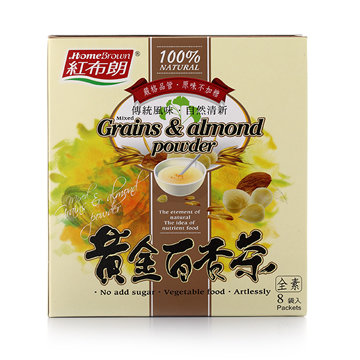
- Papaya smoothies with non-dairy milk and mixed-grains powders (sold here in Taiwan as "hot cereals" to be mixed with boiling water for a super-quick snack or light meal, eg this kind of thing:)
the Chinglish description at the bottom makes it even more enjoyable!
- and today's creation, Banana Mango Smoothie with oat milk, soy protein and greens powder

It was going to be banana-blueberry, but I found the mango looking quite forlorn with black spots on one of its sides, so it was a rescue mission, and a tasty one at that, albeit it ended up being quite sweet, probably the whole-foods equivalent of a sugary breakfast cereal or muffin, so I don't recommend this combo for daily use or for anyone worried about diabetes. I munched some nuts along with it to offset spiking my blood sugar levels.

Then... I blended the rest of the very ripe sweet little bananas and very ripe mango with vanilla ice cream and plopped that into my popsicle molds. Taste test to come.


Thursday, March 7, 2013

Fruit Bowl


Vegan (though you could dress it with some yogurt if that's your sort of thing ;)

Such a yum and healthy way to enjoy fresh fruit - have it at breakfast, snack, dessert time...

Wednesday, March 6, 2013

Strawberry Banana Flax Smoothie

Lacto-veg (added yogurt)

It's strawberry season in Taiwan! These little gems are so amazing fresh!


DIY Ingredient: GROUND FLAX SEEDS
I made this "discovery" the other day - if you want ground flax seeds in your smoothie, just start them off in an empty blender and after 30 seconds - minute of awfully loud blending, voila! Fresh as can be. Since flax seeds oils are fragile and will go rancid very quickly after being ground, this is the ultimate way to go, I think! If you appreciate grinding your coffee and/or spices fresh, don't skimp on the flax!


Thursday, February 14, 2013

Overnight Oats

Vegan (or not)

Unbeknownst to me, even as I searched hi and lo for easy nutritious breakfast ideas, Overnight Oats have apparently been taking the world of food blogs by storm.

The promise of a sunny day and a happy re-discovery of soy yogurt while grocery shopping means, tonight's the night!


Tuesday, February 12, 2013

Warm Ginger Papaya Smoothie


Vegan

Wanted something soothing and light to start the day after doing this Motivation-Activation Flow Practice video from Yoga Journal.


Inspired by the food-replacing liquid fast combo of guava-papaya-apple, I left out the apple this time and used warm ginger tea for the liquid.

I scoop out the guava seeds for smoothies, but then eat that bit with great relish, since I think the creamy flesh around the seeds is the best thing guava's got going.


Smoothies with a watery liquid (eg herbal tea) are kind of a nice lighter alternative to the creamy soy milk etc - based ones I often make. And you taste the actual fruit more. Witness this intensely colored blueberry-banana number from yesterday (left), compared to a creamy one (right):